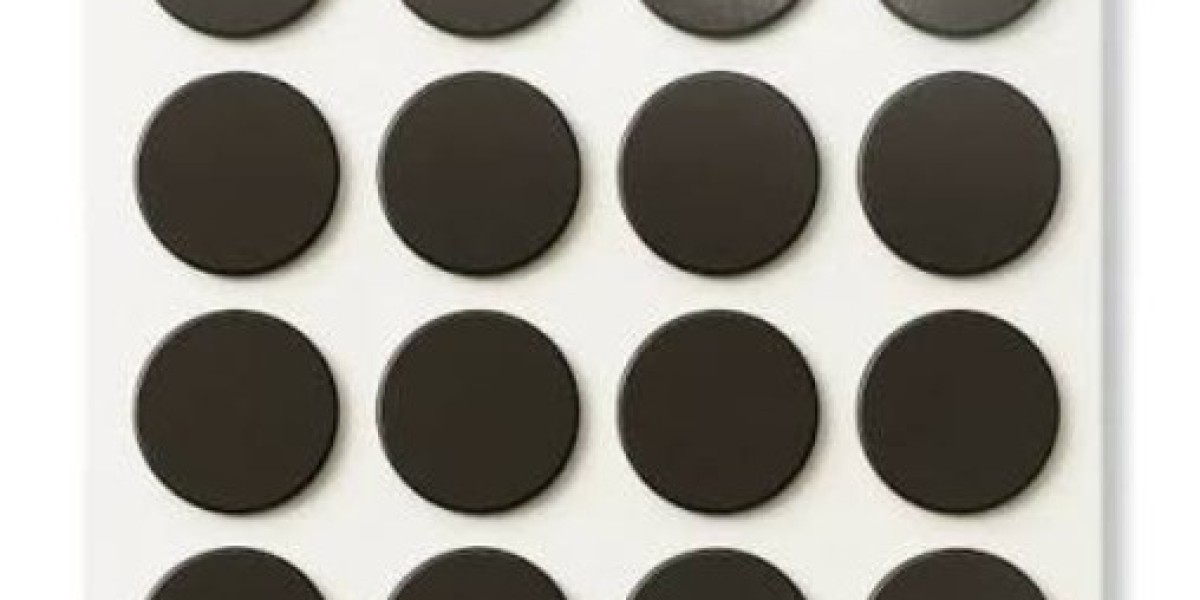

Selecting the right magnetic component can influence the efficiency, structure, and functionality of a finished product. For manufacturers developing mechanical equipment and electronic assemblies, Round Ferrite Magnets provide a practical option when permanent magnetic performance and compact dimensions are required. By evaluating Round Ferrite Magnets according to material properties, magnetic orientation, installation space, and operating conditions, engineers can identify suitable components for different product designs. Understanding these considerations also helps purchasing teams communicate technical requirements more clearly and establish appropriate sourcing plans.
The Importance of Magnetic Stability in Product Design
Permanent magnets are widely incorporated into products that require a consistent magnetic field without continuous electrical power. Their characteristics influence how equipment performs and how different components interact within an assembly.
Ferrite is a ceramic magnetic material generally manufactured using iron oxide combined with strontium or barium compounds. Through controlled processing and sintering, manufacturers produce solid magnetic components with specific physical and magnetic characteristics.
Ferrite offers useful resistance to corrosion in many ordinary environments. Its electrical insulation properties also make it suitable for applications where conductive materials are not preferred.
Another consideration is operating temperature. Different magnetic materials respond differently to temperature changes, so engineers should evaluate the expected working environment before selecting a particular grade.
Dimensional Options and Magnetic Orientation
A circular magnet can be incorporated into many product structures because its symmetrical geometry supports different installation arrangements. It may fit into recessed openings, circular housings, and specially designed mechanical fixtures.
Diameter and thickness are two important dimensional factors. A larger diameter may provide a different magnetic field distribution from a thinner component, while the overall geometry influences how the magnet interacts with surrounding materials.
Magnetic orientation is equally important. Axial magnetization places opposite poles on the two flat circular surfaces, making it suitable for certain positioning and attraction applications. Other magnetization arrangements may be required for specialized magnetic circuits.
Engineers should also consider the distance between the magnet and nearby components. Even small changes in the air gap can influence magnetic interaction, making accurate installation design an important part of product development.
MLmagnet Manufacturing and Product Customization
Manufacturing consistency helps ensure that magnetic components meet the requirements of repeated production. MLmagnet provides ferrite magnet products for customers working across different industrial and electronic applications.
The manufacturing process generally begins with raw material preparation and powder processing. The prepared material is then pressed into the required shape and sintered to develop its ceramic structure.
After sintering, additional machining may be used to achieve the specified dimensions and surface conditions. The magnetization process establishes the magnetic orientation according to the intended application.
For customized projects, buyers should provide detailed information about diameter, thickness, magnetic grade, tolerance, and magnetization direction. Technical drawings can help clarify the required geometry and installation details.
Other purchasing considerations may include sample approval, packaging requirements, inspection procedures, and production arrangements. Discussing these factors early can help suppliers organize manufacturing according to the buyer's expectations.
Practical Uses in Industrial and Consumer Products
Ferrite magnetic components are used in various products because their material characteristics can accommodate different functional requirements.
In electric motors, permanent magnets contribute to the magnetic field that supports motor operation. The selected magnetic grade and dimensions must correspond with the motor's internal structure.
Audio equipment is another application area. Speaker assemblies use permanent magnets as part of their magnetic circuits, where interaction with the voice coil contributes to sound production.
Other uses include magnetic closures, positioning mechanisms, small sensors, household appliances, and industrial fixtures. In these applications, magnets may provide attraction, alignment, switching, or positioning functions.
Product designers should evaluate the complete operating environment, including vibration, temperature, mechanical pressure, and surrounding materials. Testing the component within the finished assembly can help confirm whether the selected configuration meets functional expectations.
Quality Inspection and Responsible Magnet Sourcing
For distributors and industrial manufacturers, product quality should be evaluated through clear technical standards. Appearance alone cannot determine whether a magnetic component meets the requirements of a particular application.
Dimensional inspection helps confirm diameter, thickness, and manufacturing tolerances. Magnetic testing can assess relevant magnetic properties, while visual checks help identify cracks, chips, and other surface defects.
Ferrite is a hard but relatively brittle ceramic material. Proper packaging and careful handling are therefore necessary during storage and transportation. Protective separators and cushioning materials can reduce the possibility of damage caused by impact.
Before placing larger orders, purchasing teams should confirm product specifications, inspection methods, packaging arrangements, and delivery expectations. Consistent communication helps reduce misunderstandings and supports more efficient supplier cooperation.
Whether developing motors, audio equipment, electronic devices, or customized magnetic assemblies, choosing appropriate magnetic components requires attention to both technical details and manufacturing capabilities. Businesses interested in exploring ferrite magnet products and customized sourcing options can visit https://www.mlmagnet.com/ for further information.